Reading Time: ~8 minutes | DevOps & Deployment Series
Ember’s Opening Wisdom: “A penguin’s nest may seem humble, but it’s built to last through every storm. Kamal 2 turns Rails deployment from a tangled iceberg into smooth open water. Let’s turn DevOps into a sanctuary, not a scramble.” 🐧🔥
The Rails world has changed. Gone are the days of Heroku’s magic (and mounting bills), Capistrano’s SSH gymnastics, or hand-rolled Docker Compose scripts. When Rails 8 shipped in late 2024, it brought with it a new expectation: modern apps deserve modern, repeatable, zero-downtime deployments.
Enter Kamal 2. Kamal (formerly MRSK) is the Rails core team’s answer to container-native deployment—simple, open, cloud-agnostic, and fast. It’s built for Rails 8+, but flexible enough for earlier versions.
Why use Kamal 2?
True zero-downtime deploys, even for large teams or apps with background jobs
Native Docker support: dev, staging, and prod are nearly identical
Infrastructure agnostic: DigitalOcean, Hetzner, AWS, Linode, bare metal, or hybrid
Open source, with Rails-style conventions and documentation
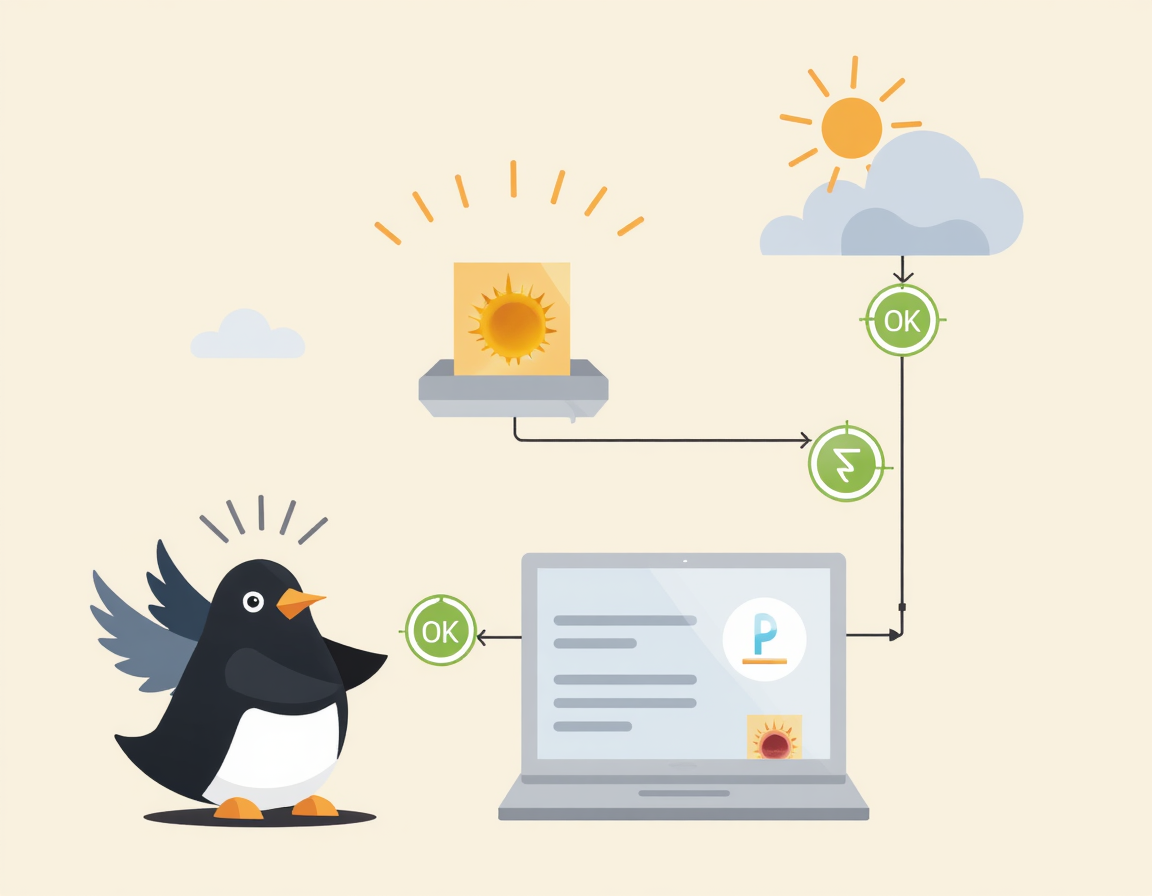
Built-in hooks for migrations, asset precompilation, cache purges, and more
For faith-based teams, Kamal’s philosophy fits perfectly: minimize risk, maximize stewardship, and keep your focus on serving people, not fighting servers.
2. Preparing Your Rails 8 App for Kamal
Before Kamal, you need a healthy Rails 8 app. Here’s the battle-tested approach from Topher.codes:
A. Upgrade Rails & Dependencies
Ensure you’re on Rails 8.0.1+ and Ruby 3.4.1+ (see [install guide for Apple Silicon])
Run bundle update and resolve all gem conflicts (especially for pg, sidekiq, and asset gems)
Test in production mode locally: RAILS_ENV=production rails s
B. Audit Your Gemfile
Remove deprecated gems (e.g., Webpacker, Puma if not using)
Add solid_queue or keep sidekiq for jobs
Add jsbundling-rails and/or cssbundling-rails for asset pipeline
[Topher.codes: Installing Ruby & Rails 8 on Apple Silicon]
[Topher.codes: Rails 8 Migration Journey]
[Prayer Nook Case Study: Multi-Database Architecture]
14. Closing Reflections
Kamal 2 and Rails 8 have made world-class deployment accessible to every developer, not just Fortune 500s or cloud-native startups. For faith-based teams, this is a game-changer: less time wrestling with infrastructure, more time serving your community.
Ember’s Farewell: “Every reliable deploy is a prayer answered for your users. May your apps stay healthy, your deploys stay boring, and your mission shine through every line of code.” 🐧🔥
Application Performance Monitoring (APM) is the secret weapon for keeping your Rails apps fast, reliable, and user-friendly. In “Monitoring Without Madness: APM for Rails Apps,” I break down how faith-based platforms like Prayer Nook use APM tools to diagnose bottlenecks, prevent errors, and build user trust. From tracking slow queries and background job failures to ensuring smooth page loads during peak traffic, this post offers a practical guide to observability.
You’ll learn how to choose the right APM tools (Scout, New Relic, or Honeybadger), set up monitoring for Rails 8 apps, and track key metrics like response times, error rates, and database performance. Real-world examples, including a case study from Prayer Nook, demonstrate how APM can cut prayer wall load times by 70% and boost user satisfaction. Plus, we’ll explore the ethical side of monitoring—how to balance data collection with user trust and privacy.
If you’re ready to stop guessing and start debugging with confidence, this post is your roadmap to building a monitoring strategy that works—without the madness.
Inclusion is more than a checkbox—it’s a calling. In “AI-Assisted Accessibility: Making Faith Apps for Everyone,” I share how Prayer Nook and our ministry platforms leveraged AI to break down real barriers faced by users with disabilities, language differences, and diverse learning needs. With AI-powered voice input, instant spiritual translation, screen reader optimization, adaptive UIs, and empathetic audio guides, we’ve opened the door for elderly users, those with visual or motor challenges, and non-English speakers to fully participate in our digital faith communities.
This post goes beyond technical checklists to reveal the human stories behind accessibility: Anna, who can now pray aloud despite arthritis; Maria, whose Portuguese prayer reached an English-speaking friend; Sam, who found focus through a neurodivergent-friendly “simple mode.” Alongside code samples and real-world lessons, you’ll find practical Rails 8 integration patterns, prompt engineering for spiritual nuance, and honest talk about the ethical limits of AI.
The journey hasn’t been perfect—accents stumped our models, AI hallucinated scripture, and early TTS voices sounded robotic—but persistent iteration, transparency, and user feedback kept us moving forward. Most importantly, we learned that AI is a tool, not a replacement for human discernment or compassion. Accessibility, powered by AI, is about building ramps—digital and spiritual—so everyone can belong, participate, and be transformed.
If you’re building ministry or community software, this is your roadmap for making tech a true bridge, not a barrier. Let’s keep widening the circle—together.
Reading Time: ~9 minutes | DevOps & Deployment Series Ember’s Opening:“A penguin prays with every step across the ice—careful, repeatable, never skipping the process. But when the winds change, the phoenix soars, turning daily rhythms into moments of...

0 Comments