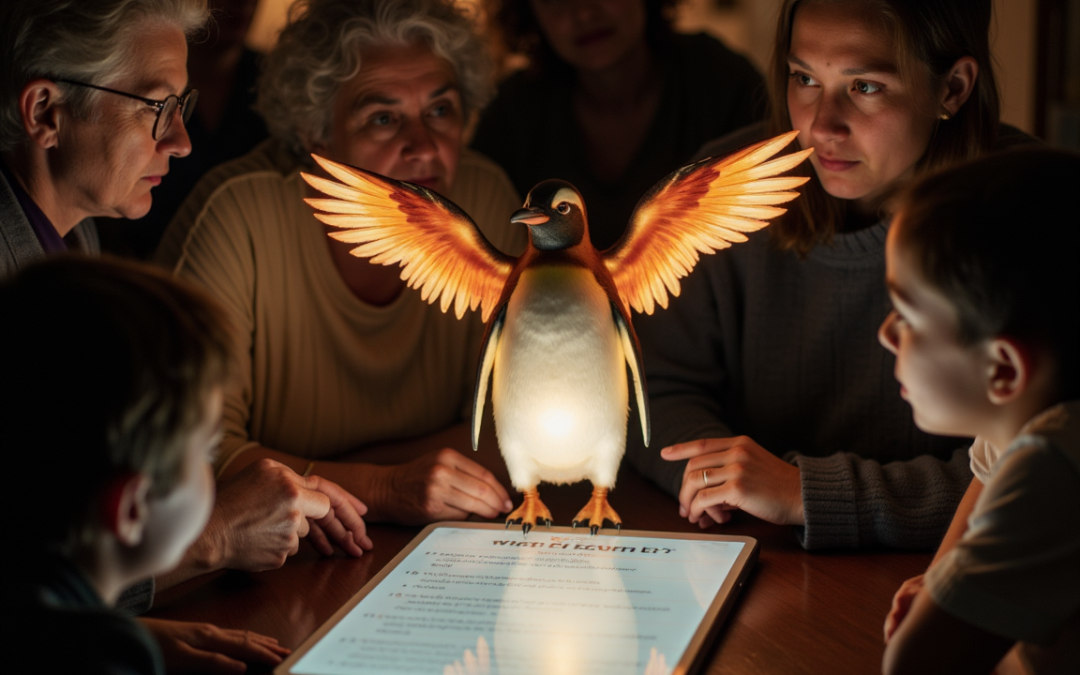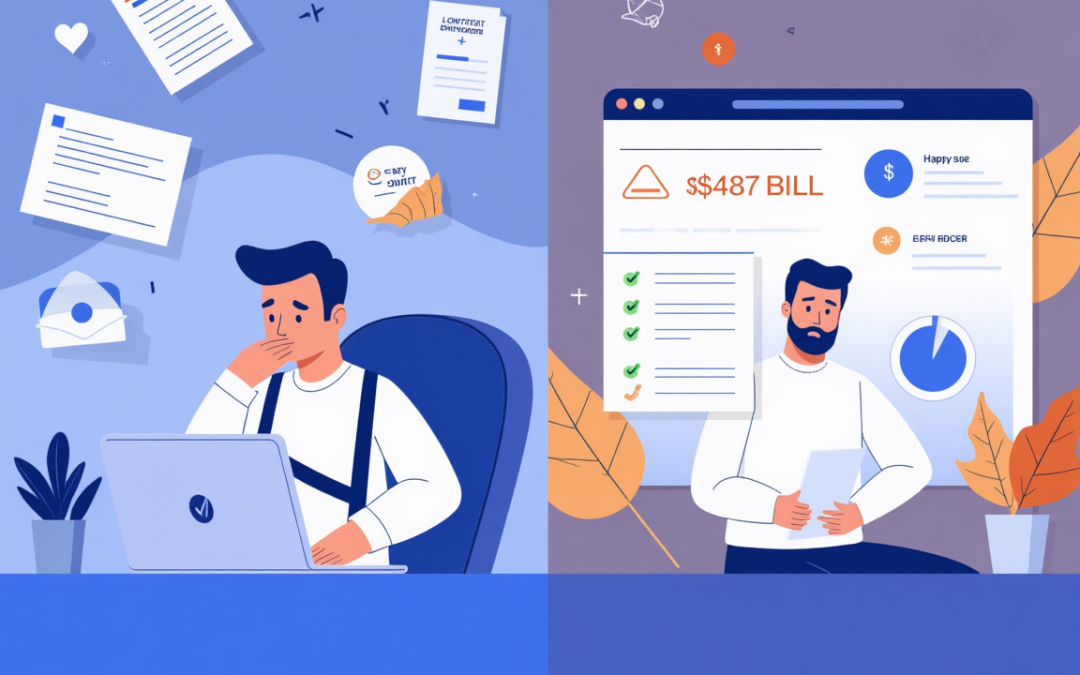
Inclusion is more than a checkbox—it’s a calling. In “AI-Assisted Accessibility: Making Faith Apps for Everyone,” I share how Prayer Nook and our ministry platforms leveraged AI to break down real barriers faced by users with disabilities, language differences, and diverse learning needs. With AI-powered voice input, instant spiritual translation, screen reader optimization, adaptive UIs, and empathetic audio guides, we’ve opened the door for elderly users, those with visual or motor challenges, and non-English speakers to fully participate in our digital faith communities.
This post goes beyond technical checklists to reveal the human stories behind accessibility: Anna, who can now pray aloud despite arthritis; Maria, whose Portuguese prayer reached an English-speaking friend; Sam, who found focus through a neurodivergent-friendly “simple mode.” Alongside code samples and real-world lessons, you’ll find practical Rails 8 integration patterns, prompt engineering for spiritual nuance, and honest talk about the ethical limits of AI.
The journey hasn’t been perfect—accents stumped our models, AI hallucinated scripture, and early TTS voices sounded robotic—but persistent iteration, transparency, and user feedback kept us moving forward. Most importantly, we learned that AI is a tool, not a replacement for human discernment or compassion. Accessibility, powered by AI, is about building ramps—digital and spiritual—so everyone can belong, participate, and be transformed.
If you’re building ministry or community software, this is your roadmap for making tech a true bridge, not a barrier. Let’s keep widening the circle—together.