
#Performance

Monitoring Without Madness: APM for Rails Apps

Monitoring Without Madness: APM for Rails Apps

Application Performance Monitoring (APM) is the secret weapon for keeping your Rails apps fast, reliable, and user-friendly. In “Monitoring Without Madness: APM for Rails Apps,” I break down how faith-based platforms like Prayer Nook use APM tools to diagnose bottlenecks, prevent errors, and build user trust. From tracking slow queries and background job failures to ensuring smooth page loads during peak traffic, this post offers a practical guide to observability.
You’ll learn how to choose the right APM tools (Scout, New Relic, or Honeybadger), set up monitoring for Rails 8 apps, and track key metrics like response times, error rates, and database performance. Real-world examples, including a case study from Prayer Nook, demonstrate how APM can cut prayer wall load times by 70% and boost user satisfaction. Plus, we’ll explore the ethical side of monitoring—how to balance data collection with user trust and privacy.
If you’re ready to stop guessing and start debugging with confidence, this post is your roadmap to building a monitoring strategy that works—without the madness.
Rails 7 Multiple Database Connections: A Love Story

Rails 7 Multiple Database Connections: A Love Story

What if the best way to make your Rails API faster is to completely bypass it?

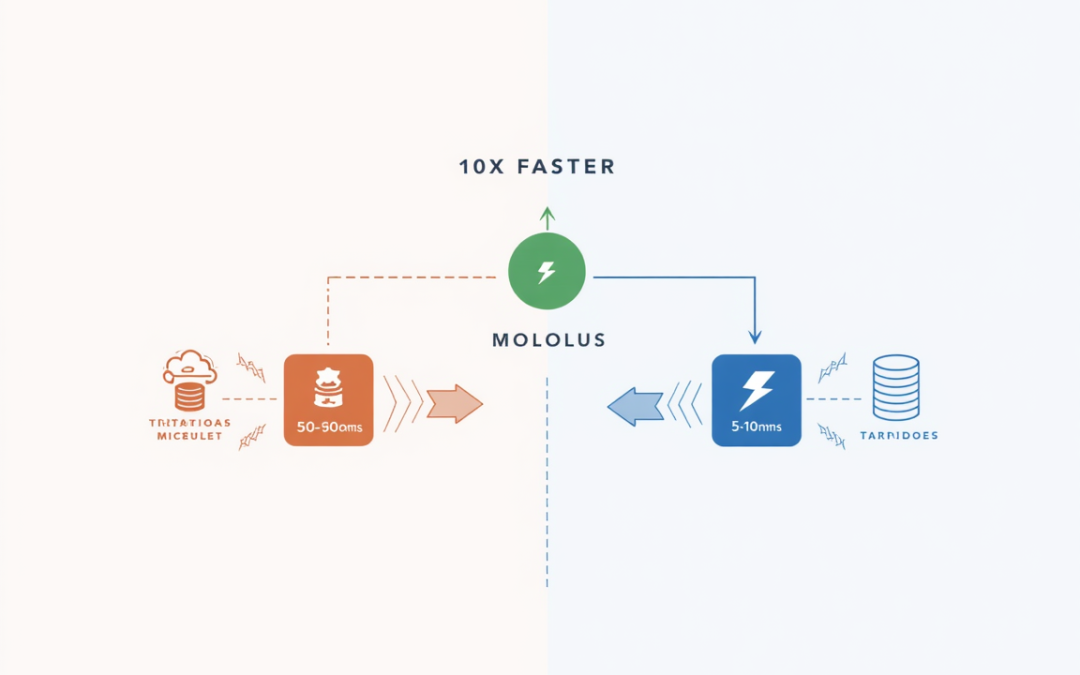
That’s exactly what we did with Prayer Nook and Heis Soma using Rails 7’s multiple database connections—and it cut authentication latency by 70%. User lookups went from 50-100ms to 5-10ms. API calls dropped by thousands per day.

The secret? Direct database access instead of HTTP API calls.

When Rails 7 enhanced multiple database support, it transformed our reasonable architectural decision (custom OAuth2 SSO) into a strategic masterstroke. We maintained microservices-level separation where it mattered while avoiding microservices-level complexity where it didn’t.

This post breaks down the complete implementation: configuration, security model, performance benchmarks, migration strategy, and honest assessment of when this pattern makes sense (and when it absolutely doesn’t).

Spoiler: After three years in production, it was absolutely worth it.

Stay Updated with Topher Codes