#PrayerNook

Monitoring Without Madness: APM for Rails Apps

Monitoring Without Madness: APM for Rails Apps

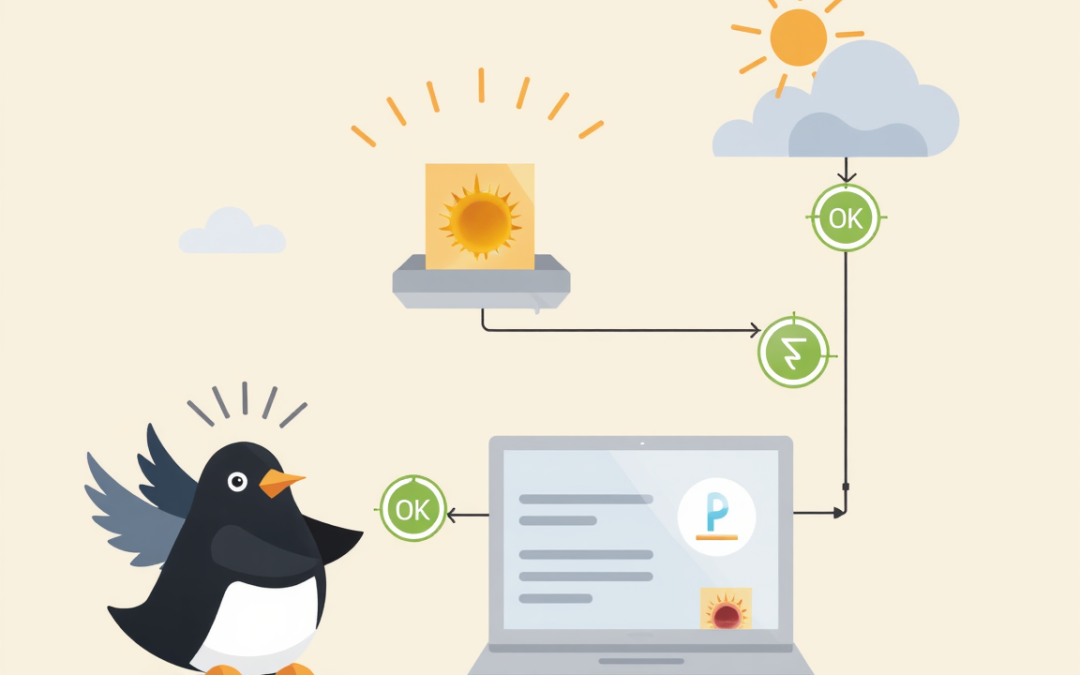
Application Performance Monitoring (APM) is the secret weapon for keeping your Rails apps fast, reliable, and user-friendly. In “Monitoring Without Madness: APM for Rails Apps,” I break down how faith-based platforms like Prayer Nook use APM tools to diagnose bottlenecks, prevent errors, and build user trust. From tracking slow queries and background job failures to ensuring smooth page loads during peak traffic, this post offers a practical guide to observability.
You’ll learn how to choose the right APM tools (Scout, New Relic, or Honeybadger), set up monitoring for Rails 8 apps, and track key metrics like response times, error rates, and database performance. Real-world examples, including a case study from Prayer Nook, demonstrate how APM can cut prayer wall load times by 70% and boost user satisfaction. Plus, we’ll explore the ethical side of monitoring—how to balance data collection with user trust and privacy.
If you’re ready to stop guessing and start debugging with confidence, this post is your roadmap to building a monitoring strategy that works—without the madness.

Deploying Rails 8 with Kamal 2: A Complete Guide

Deploying Rails 8 with Kamal 2: A Complete Guide

Rails 8 and Kamal 2 simplify deployment with zero-downtime, Docker-powered releases across platforms. This guide covers preparing code, building images, rolling deploys, secrets, rollbacks, health checks, and GitHub Actions integration. Plus, real-world lessons and a spiritual perspective on DevOps as trust and stewardship.

Semantic Search for Sacred Texts: Vector Databases in Action

Semantic Search for Sacred Texts: Vector Databases in Action

How do you build a search that understands not just what users ask, but why they’re asking? In “Semantic Search for Sacred Texts: Vector Databases in Action,” I share how we implemented AI-powered semantic search in Prayer Nook and our faith-based resource apps. Using vector databases like pgvector and LLM embeddings from Claude, we made it possible to search by meaning, not just keywords. Whether you’re looking for Bible verses about “hope,” prayers for “letting go,” or devotionals on “justice,” semantic search bridges the gap between language and intention.
This post covers everything: why traditional keyword search falls short for sacred texts, how vector embeddings work, the tech stack powering our solution (Rails 8, PostgreSQL, and Anthropic Claude), and step-by-step instructions to build your own semantic search feature. Along the way, we explore real-world use cases like Bible study, prayer matching, and multilingual support, plus the ethical and theological nuances of applying AI to spiritual content.
For faith-tech developers and teams, this isn’t just about advanced AI—it’s about making wisdom, connection, and spiritual comfort more accessible than ever.

The Art of Empty States: How to Overcome Nothing to Display

The Art of Empty States: How to Overcome Nothing to Display

Empty states in apps aren’t just placeholders—they’re opportunities to connect with users and guide them forward. In “The Art of Empty States: When There’s Nothing to Display,” I explore how thoughtful design turns a blank screen into a moment of clarity, empathy, and even delight. Whether it’s a first-time user onboarding in Prayer Nook, a “No Results” search in a Bible study app, or a moment of celebration when a task is complete, empty states are key to keeping users engaged.
This post dives into the challenges of designing empty states, the types of empty states you’ll encounter, and practical principles for making them effective. You’ll see real-world examples from Prayer Nook and other faith-tech apps, Rails code patterns for dynamic empty states, and tips for balancing functionality and personality. With a blend of design thinking and technical know-how, this post helps you transform moments of “nothingness” into opportunities to inspire, guide, and uplift.

AI Content Moderation: Keeping Prayer Communities Safe

AI Content Moderation: Keeping Prayer Communities Safe

Keeping online prayer communities safe means walking a fine line between compassion and security—especially as your platform grows. In this post, I share how we implemented AI-powered content moderation using Claude Sonnet 4.5 to help Prayer Nook handle 200+ daily requests. Learn why human-in-the-loop review is essential, how we engineered Rails service objects for moderation, the real results (including urgent crisis detection), and the ethical guardrails we put in place. If you’re considering AI for community safety, don’t miss these production-tested lessons—and a look at the future of faith-tech.

Stay Updated with Topher Codes